

 Deutsch
 Englisch
 Polnisch
keeping conditions Servals and Caracal
keeping - food - requirements
History
Servals and Caracal are already domesticated and trained and started as a hunting assistant for over 1000 years in Africa. So there is nothing unusual that this kind of cat live together with human.
Heavy arguments
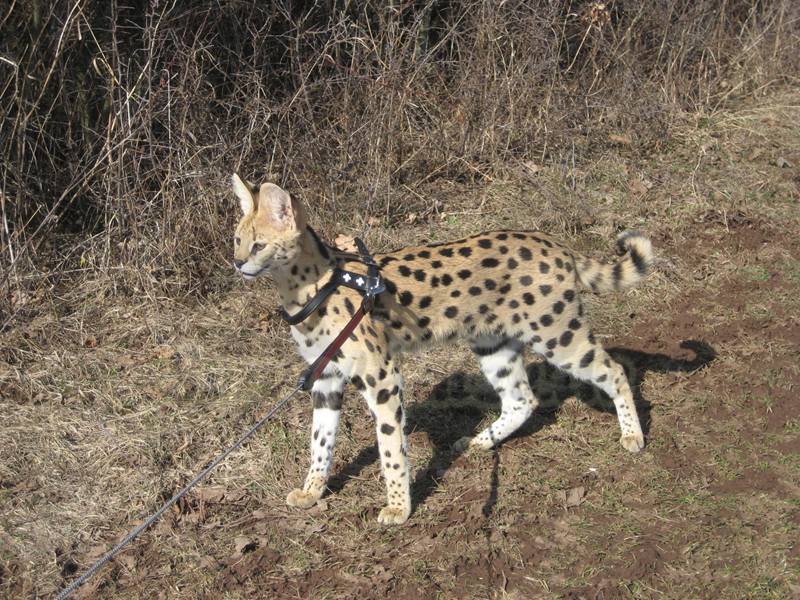
A Serval and a Caracal are very special cats. There is no domestic cat / pedigree cat with the same size and weight like a Serval or Caracal cat.
Keeping conditions
For the keeping is a correspondingly large compound or space is required. A big space is better for the Serval or a Caracal. Only keeping a Serval or a Caracal in the house without free run is a terrible idea and should not happen.
There are certain minimum requirements to be followed. These are the "opinion on the minimum requirements for the position of mammals," published by the "Federal Ministry for Consumer Protection, Food and Agriculture (BMVEL) Bonnfixed (for Germany).
The requirements are the minimum requirements for zoos determines appropriate and necessary. In any case you should first contact to the relevant authorities.
Authorities requirements
The authorities requirements concerning the keeping of a serval vary from state to state. Please inform you before you keep this kind of cat.
Food
Serval and Caracal cats are a kind of wild cat and therefore need good food to all essential ingredients to get. There are different ways to feed a Serval. The best is to feed as close as possible to the model of nature. Ideal is to feed the whole animal of food animals. Of course this is only limited possible. Chicken wings, other parts of chicken, beef, beef liver, wild, feed mice, rabbits, fish and sometimes a raw egg should be on the menu. Of course, high-quality cat food can also be fed.
Care
The most beautiful compound with heated indoor and outdoor space with sun where they can play hide and seek can not replace contact with your serval. Who does not have time or do not want to spend time with his Serval should not take one. Nothing is more important than joint ventures and joint play and fun.